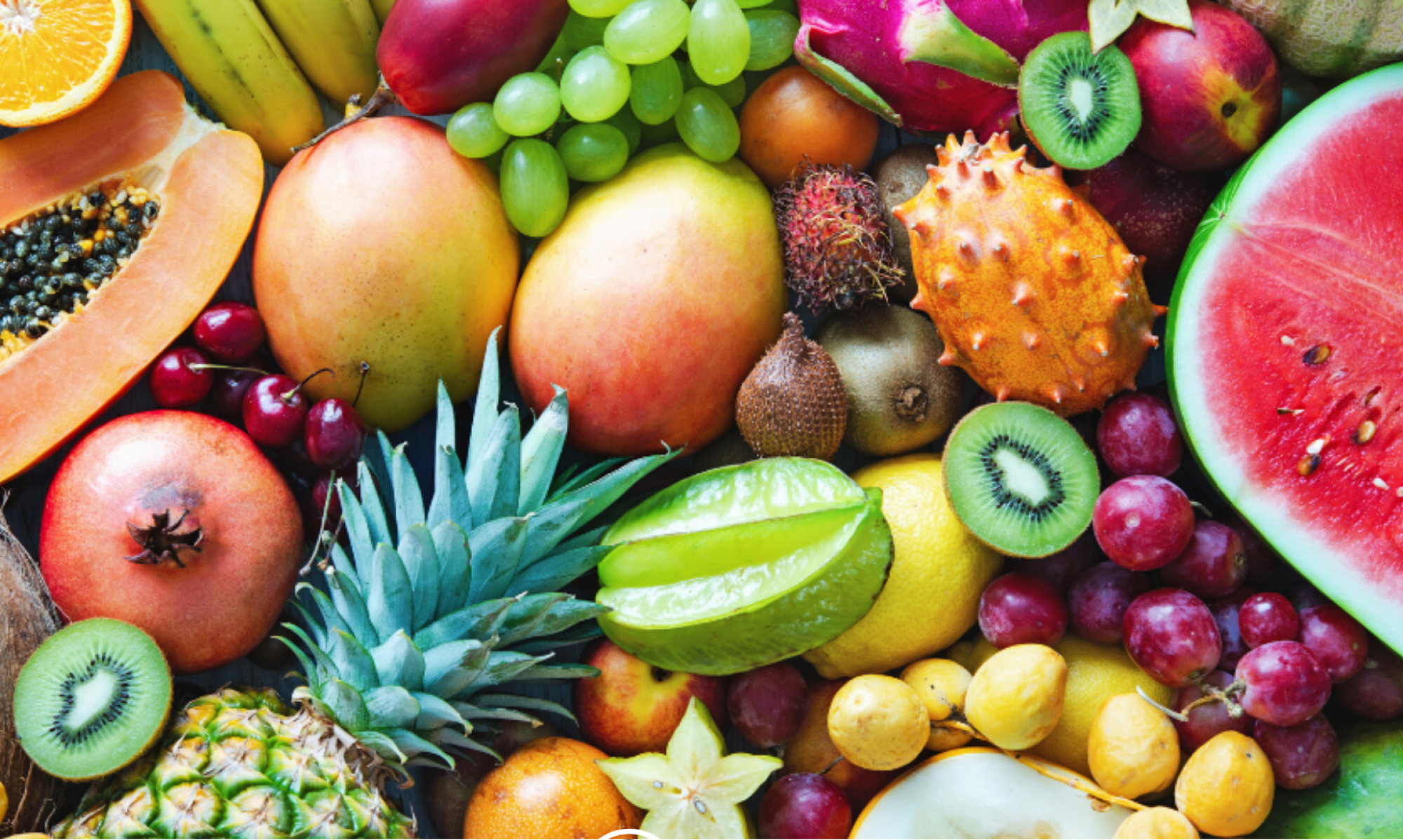
Do you see all of those plant based buddha bowls on instagram? You want to start eating a lot of variety of vegetables in your diet, but you don’t know how to start. The transition from a animal and dairy based diet to a plant based diet can get overwhelming. Most of the questions that I get are what do you eat for breakfast? How to get enough satisfaction with your veggies and fruits? Well when you eat a plant based diet you can exactly eat more volume and still maintain or lose weight. fruits and vegetables are high in fiber and water content, but low in calories so you can eat as much as you want!
You probably thinking that moving to a plant based diet is quite difficult, but don’t worry you are in the right place and it’s never to late to switch form a lifestyle.
What is a Whole Foods plant based diet?
It describes foods like fruits, veggies, potatoes, rice, whole grains and legumes in their natural whole states.
- Whole food describes natural foods that are not heavily processed. That means whole, unrefined, or minimally refined ingredients.
- Plant-based means food that comes from plants and doesn’t include animal ingredients such as meat, milk, eggs, or honey.
- Fruits: any type of fruit including apples, bananas, grapes, strawberries, citrus fruits, etc.
- Vegetables: plenty of veggies including peppers, corn, avocados, lettuce, spinach, kale, peas, collards, etc.
- Tubers: root vegetables like potatoes, carrots, parsnips, sweet potatoes, beets, etc.
- Whole grains: grains, cereals, and other starches in their whole form, such as quinoa, brown rice, millet, whole wheat, oats, barley, etc. Even popcorn is a whole grain.
- Legumes: beans of any kind, plus lentils, pulses, and similar ingredients.
There are plenty of other foods you can also enjoy— including nuts, seeds, tofu, tempeh, whole-grain flour and breads, and plant-based milks. However, we recommend eating these foods in moderation, because they are more calorie dense and can contribute to weight gain.
1. Try to make vegetarian options for your favorite meals
If you have a hard time to find inspiration to eat meals without meat you can replace meat while u use fake meat products to begin with, they may help you wean yourself off real meat. I would recommend to check the ingredient labels and go for the most natural, least processed options. It may surprise you how similar the taste and structure can be. You can still enjoy your taco’s and burritos, try tofu or seitan and make your own marinades.

2. Invest in some cookbooks with simple plant based meals
While it might seem that the Internet’s plethora of food blogs have made cookbooks obsolete, nothing could be further from the truth. Cookbooks provide something that the Internet can’t (like context) and having a few good ones will improve the pleasure of your tasks at hand. Browsing the vegetarian section at a bookstore will allow you to thumb through potential allies in your endeavor and introduce you to the wide variety of styles out there.
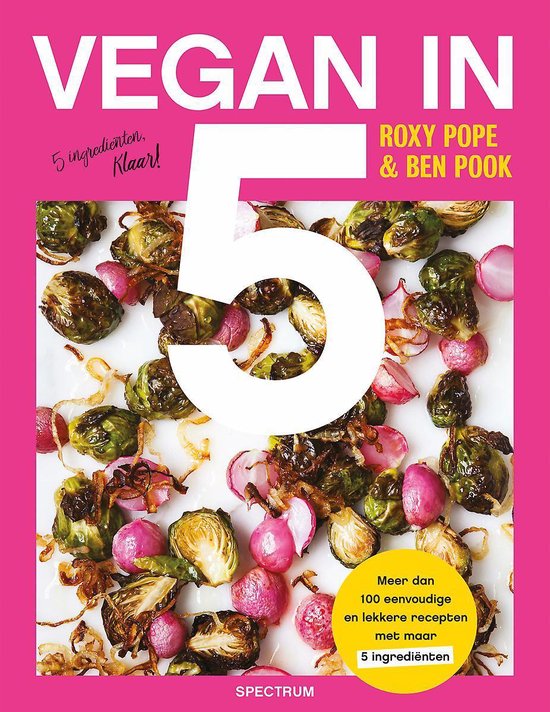
Plant based meals only cooking with 5 ingredients!
3. Understand the Signs of Detox
The first weeks that be eating plant-based meals will feel different for your body. As you go for the Whole Foods and remove the mucus vorming foods like dairy, meat and eggs. You will feel that your body goes through different changes. It’s the food that you are eating that led your body detox itself, because it gets the change to eliminate toxins from your system. Maybe your brain tells you to go back to eating meat and dairy, but its really the parasites and pathogens asking for the ‘bad foods’. It gets you confused but you have to realize that our bodies can become or are already addicted to refined and processed foods. Removing those foods can cause withdrawal symptoms. That can include headaches, digestion changes, and even feelings of sadness as you learn to let go of old traditions surrounding meals with meat, dairy, eggs or poultry and get used to the concept of eating different foods than you might be used to.
4. Eat a lots of vegetables and leafy greens !
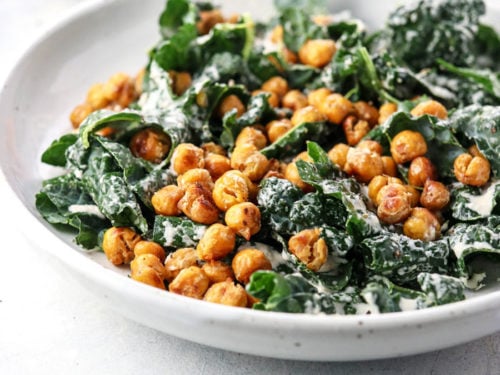
When you are having a hard time to get your veggies in. Just make sure that you fill half your plate with vegetables at lunch and dinner. There is a lot of variety and plenty of different colors to create a delicious and nutritious plate full of veggies. You can fill a big bowl with salad greens such as romaine, spinach, kale or red leafy greens. Add some vegetables that you really like and spice it up with some herbs or add a nice salad dressings. You can make salads with tofu, beans, guacamole, (chick)peas etc.
5. Include more healthy snacks
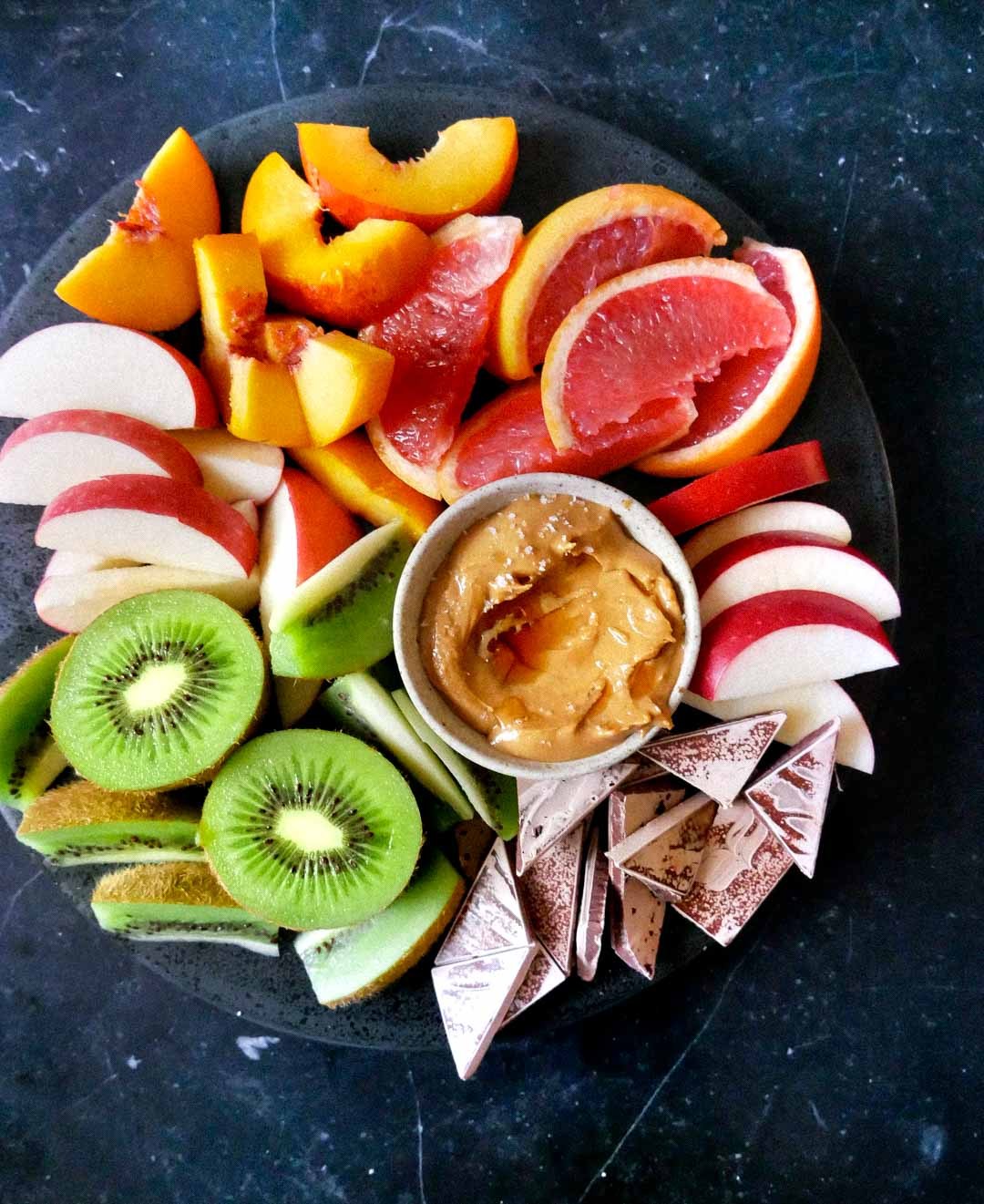
Instead of snicker bars and a bag of chips you can try to think what it’s really is that your’e body is craving. Most of the times when we crave something sweet it’s actually the brain that is telling you I need some glucose and fructose from fruits. When you crave something savory like salty chips and junkfood, the body just want some minerals and good fats like nuts, avocado and coconut. So to include more healthy snacks you won’t crave those processed food anymore. It will take a while for your brain to shift from those habits, but try to do your best as you can. You can go for rice crackers with a nut butter and sesamseeds, or some homemade hummus with veggies. I will write some more ideas on which easy snacks you can make yourself.
 Shinewithfruits.com